
There’s a particular kind of misery that comes with stepping into what should be a hot shower and getting a blast of cold instead. One minute everything’s fine. The next, you’re standing there wondering what just happened, and what it’s going to cost to sort.
If you’re reading this, the cylinder’s probably given you a warning shot. Maybe it’s getting old, maybe it’s already misbehaving. Either way, this guide covers the signs to watch for, the choices you’ll need to make, and what the actual replacement process looks like. No jargon, no upsell.
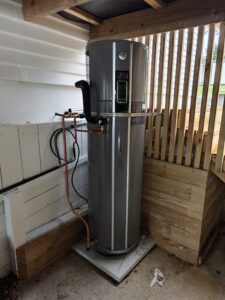
Quick Answer: A hot water cylinder replacement in West Auckland typically costs between $2,500 and $5,000 fully installed. Low-pressure replacements sit at the lower end, mains-pressure upgrades at the higher end. The job takes 4-6 hours for a like-for-like swap, or a full day if you’re switching pressure systems. Most cylinders last 10-15 years. If yours is past 12, get it checked before it fails.
Signs Your Hot Water Cylinder Is on the Way Out
The good news is cylinders rarely fail without warning. They start telling you something’s wrong weeks, sometimes months, before they actually give up. You just need to know what to listen for.
#### 1. Rusty or discoloured hot water
If the water from your hot tap looks brown or has a rusty tinge, but the cold tap runs clear, that’s a strong signal. It usually means the internal lining of the cylinder has failed and the steel body is corroding. Once rust is making its way into your water, the cylinder is not long for this world.
#### 2. Water pooling around the base
A small puddle under the cylinder might not seem urgent. But it usually means the tank is leaking from a weld seam or a corroded section, and leaks don’t sort themselves out. They get worse. Leave it long enough and a leaking cylinder can burst, and that’s a genuinely expensive mess to clean up.
#### 3. Strange noises
Banging, rumbling, or popping sounds from the cylinder usually point to sediment building up at the bottom of the tank. Sometimes it can be flushed out, but in an older cylinder, persistent noise usually means replacement is on the cards.
#### 4. Inconsistent hot water
Running out of hot water faster than you used to, or it never quite gets properly hot, often points to a failing element or thermostat. If the cylinder is over 10 years old, replacing the whole unit usually works out cheaper than chasing parts one by one.
#### 5. The cylinder is over 12 years old
Even if everything seems fine, a cylinder past the 12-year mark is on borrowed time. Most NZ cylinders last 10-15 years. If yours is in that window, it’s worth having someone take a look before it fails and leaves the household without hot water for days.
Low Pressure vs Mains Pressure: What’s the Actual Difference?
This is one of the first decisions you’ll face when replacing, so it’s worth understanding what you’re choosing between.
If you live in an older West Auckland home, you probably have a low pressure system. These use a header tank or pressure-reducing valve to keep things gentle. The upside: the cylinder tends to last longer. The downside: the shower probably feels weak, and filling a bath takes patience.
Mains pressure systems deliver hot water at the same pressure as your cold, which means a proper shower, fast baths, and the ability to run the dishwasher while someone showers without one of them going cold. It’s a real quality-of-life upgrade.
If you’re replacing anyway, it’s a natural time to think about switching. It’s not always simple, the pipework and fittings may need upgrading to handle the higher pressure, but for most households the day-to-day improvement is worth it. The Plumberz team can assess the current setup and walk through what’s involved. See the hot water heaters page for the full rundown of systems the team installs and services.
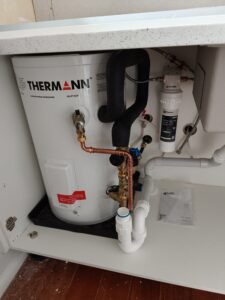
What Size Cylinder Do You Actually Need?
A bit of a Goldilocks situation. Too small and you’ll run out of hot water constantly. Too big and you’re paying to heat water you never use. Here’s a rough guide for most Kiwi homes:
| Household size |
|---|
| ————————— |
| 1-2 people |
| 135 to 180 litre |
| 5 or more people |
Treat these as a starting point. If you’ve got two bathrooms, teenagers who treat showers like a sport, or a spa bath, go up a size. It’s cheaper to install a slightly bigger cylinder now than to rip out an undersized one in two years because everyone’s fighting over the last of the hot water.
What Actually Happens on the Day
A lot of homeowners ask what to expect when the team comes to swap the cylinder. Fair question. Here’s how a standard replacement runs:
- Drain down. Power and water get switched off, then the old cylinder drains completely. Takes a little while.
- Disconnect and remove. The old cylinder comes off the plumbing and electrical, then gets carefully removed from the cupboard. Yes, it can be a tight squeeze.
- Prepare the space. The base gets checked, debris cleared, and everything’s readied for the new unit. If you’re upgrading to mains pressure, this is where new valves get installed or pipework adjusted.
- Install the new cylinder. The new unit goes in, connects to the water supply, and gets wired up to the electrical.
- Fill and test. The cylinder refills, every connection gets checked for leaks, the pressure relief valve gets tested, and the water is confirmed to be heating properly before the job is called done.
- Clean up. The old cylinder gets taken away and the area is left tidy. Nobody wants to deal with a pile of old plumbing parts afterwards.
For a straightforward like-for-like replacement, the whole job takes about 4 to 6 hours. If you’re switching from low to mains pressure, or the cylinder needs to be repositioned, plan on a full day.
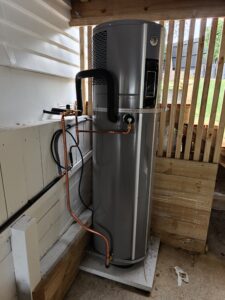
The Cost: What You’re Looking At
Let me talk numbers. Replacement costs depend on cylinder type, size, and how much work is needed to get the existing setup ready. Here’s a ballpark for West Auckland:
| Job type |
|---|
| —————————- |
| Low pressure replacement |
| $3,000 to $4,500 |
| Switching from low to mains pressure |
Those figures include the cylinder itself, labour, valves, fittings, and electrical connection, assuming a fairly straightforward install without major pipework changes. The Plumberz team sources all parts and materials from Reece and O’Brien’s Plumbing, two of NZ’s largest trade supply chains, and works hard to keep materials pricing fair and competitive.
For the cylinder itself, the Plumberz team most commonly installs two trusted NZ brands: Rheem (NZ-made in West Auckland, with over 60 years’ trusted NZ manufacturing) and Rinnai (premium Japanese engineering, strong on continuous flow and high-pressure systems). The team is happy to source and install other reputable NZ cylinder brands if a customer has a preference. Plumberz isn’t locked into any particular manufacturer.
The Plumberz team typically provides a fixed quote before any work starts, so there are no surprises when the invoice arrives.
Don’t Wait Until It’s an Emergency
A failing cylinder isn’t going to fix itself. If it bursts, you’re looking at potential water damage that runs into thousands of dollars, far more than the cost of a planned replacement.
The Plumberz team has been replacing hot water cylinders across West Auckland since 2012. Straight-up advice on whether replacement is actually needed, or a repair will do the job. Help picking the right cylinder for the home and budget. Installed properly the first time.
Think it might be time for a new hot water cylinder? Call 022 321 2012 for a free quote. The Plumberz team will come out, take a look, and give an honest assessment. No pressure, no upsell.
Frequently Asked Questions
#### How long does a hot water cylinder last in New Zealand?
Most cylinders last between 10 and 15 years. Lifespan depends on water quality, how well it’s been maintained, and whether it’s low or mains pressure. Mains pressure cylinders tend to have a slightly shorter lifespan but deliver much better water flow. If the cylinder is over 12 years old, it’s worth getting checked out.
#### How much does hot water cylinder replacement cost in Auckland?
Generally $2,500 to $5,000 fully installed, including cylinder, labour, fittings, and valves. Low pressure replacements sit at the lower end, mains pressure and gas cylinders at the higher end. Every home is different, so a fixed quote before any work starts is the only way to know for sure.
#### Can I replace my hot water cylinder myself?
No. Hot water cylinder replacement is restricted plumbing work under New Zealand law. It involves electrical connections, pressure valves, and water supply modifications that must be signed off by a licensed plumber. The DIY route voids the manufacturer warranty and can affect home insurance, not worth the risk.
#### What size hot water cylinder do I need?
A 135 to 180 litre cylinder works well for most households of 3 to 4 people. Couples or singles can get away with 100 litres, while larger families usually need 250 litres or more. The right size depends on how many bathrooms, whether the system is mains or low pressure, and when peak hot water demand hits.
#### Should I switch from low pressure to mains pressure?
For most households, yes. It’s a genuine upgrade: stronger shower flow, faster bath fills, and the ability to run multiple taps at once without one going cold. The trade-off is a slightly shorter cylinder lifespan and potentially higher install costs if the pipework needs upgrading. The Plumberz team can assess the setup and give an honest call on whether the switch makes sense.
External link to add in FAQ: [Plumbers, Gasfitters and Drainlayers Board – this is the regulatory authority and boosts E-E-A-T]
#### What hot water cylinder brand do you recommend?
The Plumberz team most commonly installs Rheem and Rinnai. Rheem is NZ-made in West Auckland and has been trusted here for over 60 years, with options across low pressure, mains pressure, gas, electric, and heat pumps. Rinnai brings premium Japanese engineering with strong continuous flow, high-pressure systems, and the new HydraHeat and Enviroflo heat pump ranges. The team is happy to source and install other reputable NZ cylinder brands if a customer has a preference.
Plumberz Ltd. West Auckland plumbing, done right.
Tagged: hot water cylinder · West Auckland plumber · hot water replacement